

Markham Aviation: A sample regional airline, end to end
A simulated regional airline, run end to end on the platform: 18 aircraft, 763 flights a week, 8 source systems and 4,894 live objects
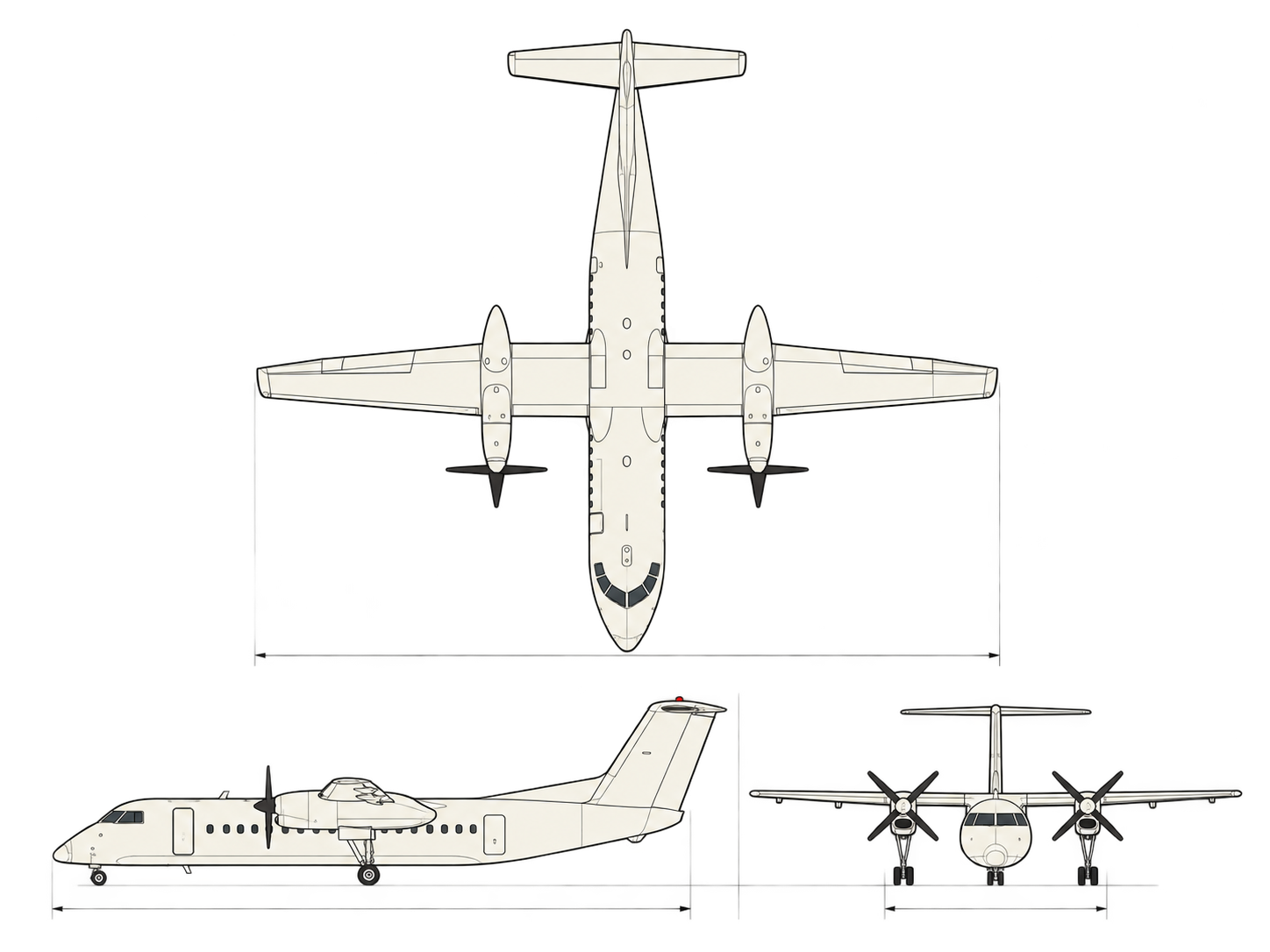
A simulated airline, with the whole platform running on it
Markham Aviation doesn't exist. We generated its source systems table by table, then ran the whole platform on them
What the data holds
- 18 aircraft
- 38 engines
- 472 installed components
- 145 defects
- 60 deferrals
- 190 work orders
- 491 task cards
- 30 maintenance checks
- 108 directive compliance records
- 179 parts
- 499 stock positions
- 108 purchase orders
- 55 repair orders
- 24 stock transfers
- 13 vendors
- 140 technicians
- 969 shifts
- 763 flights
- 8 stations
- 460 fault messages
- 138 tools
- 43 vendor messages
- 10 airworthiness directives
- 2 vendor quotes
- 2 release certificates
- 1 quote by email
- Maintenance control, line, hangar, stores, planning, quality, finance, flight operations and an external auditor
- 2 access labels: safety and commercial
What ran on it
- Lakehouse
- Every source table landed as an open Delta Lake table, queried in place by DuckDB
- Pipelines
- 4 pipelines and 21 steps clean and join the sources, with 74 checks that stop a bad build
- Model
- 22 object types and 45 link types, synced from the pipeline output
- Actions
- 17 actions behind approval, written back to the maintenance system, the ERP and flight operations
- Functions
- 28 functions that cost options, find parts, check technicians and plan directive work
- Agents
- 5 agents that propose changes, and 3 automations that start them when something happens
- Metrics
- 10 metrics, 6 of them certified, and a dashboard, defined once
- Trained model
- Late departure risk, trained on the airline's flights and promoted through a gate
- Documents
- Vendor quotes and release certificates read, checked and filed against their part or repair order
- Governance
- Access labels, time-limited access requests, branches, evaluations, partner sharing and a full audit log
One scripted run takes a fresh copy of the airline through a full morning: five situations, each approved by the right person and checked in the objects, the action log, the source system and the rebuilt pipelines
Eight systems, and a phone call for every grounded aircraft
Records, stores, rosters, the schedule and fault messages each lived somewhere else. Maintenance control joined them by hand every morning
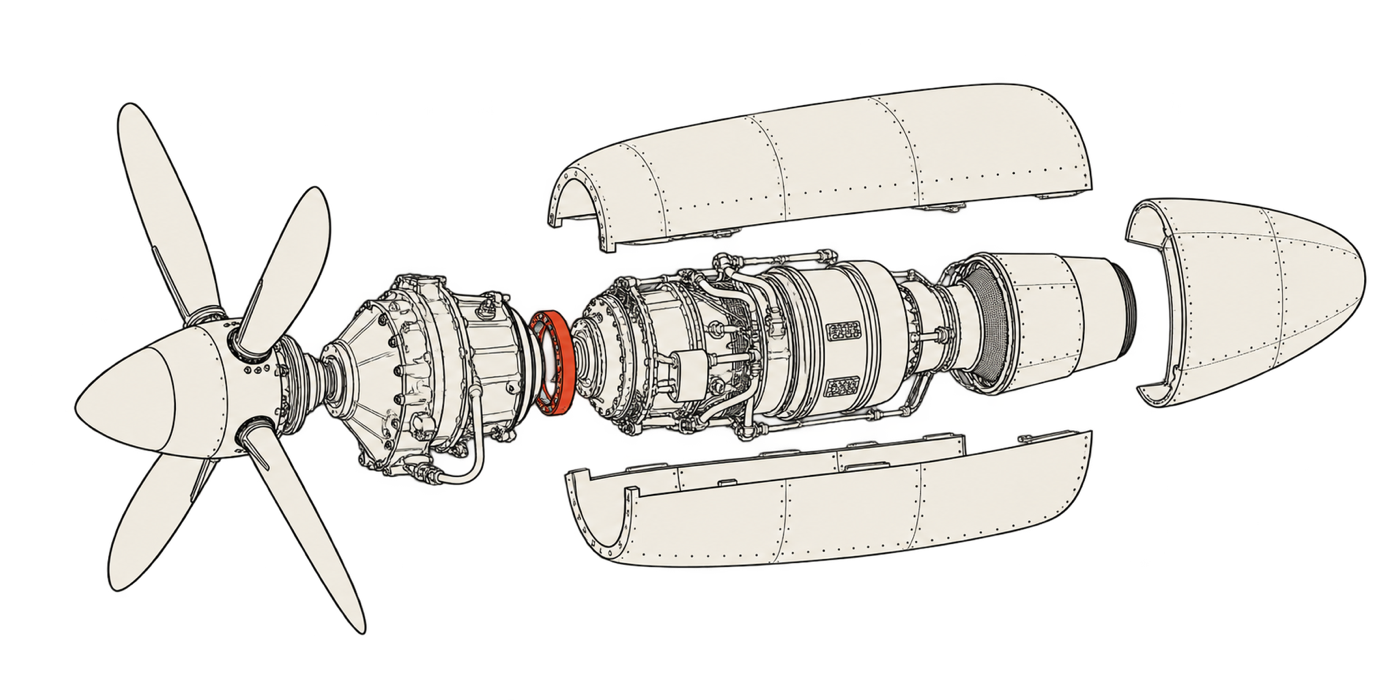
11 of 460
fault messages in six weeks became defects
The platform links each message to its aircraft, defect and flights, so the 11 that matter reach the right desk
From source tables to a model of the airline
Each system lands as open tables. Four pipelines and 74 checks build one model of aircraft, flights, defects and parts
- Week 1Two-day remote working session with maintenance control on the eight systems
- Weeks 2 to 3Connect the systems read-only and build the model: 22 object types, 45 links, 74 checks
- Weeks 4 to 5Actions with approval and writeback, then agents and automations behind them
- Week 6Live on the morning desk, with remote training
Timeline is our standard plan, shown for illustration
Ship 407 won't start in St. John's
The No. 2 starter-generator fails on the first start of the day. Ten flights and 610 passengers depend on 407 over the next 36 hours
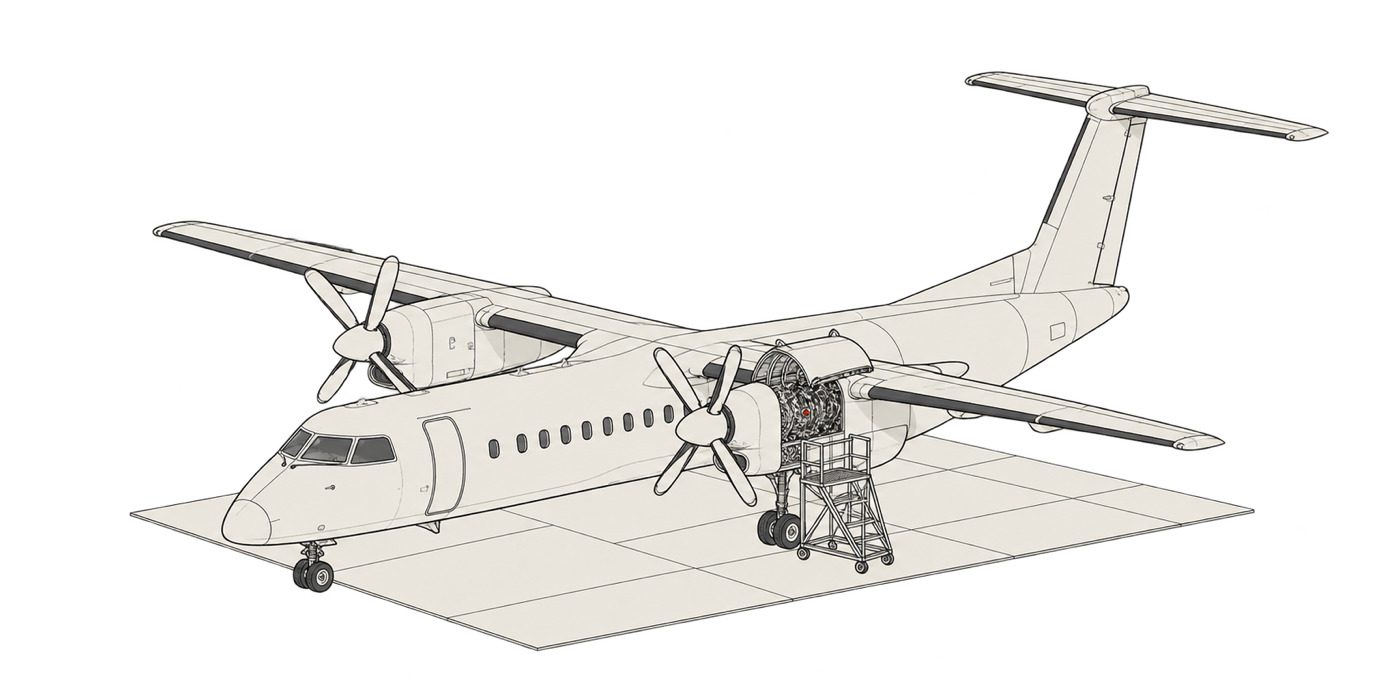
- Fault messageST/GEN 2 FAIL on 407 at YYT, linked to its aircraft and next flights
- No-go defect raisedD26-04534 grounds 407. An automation starts the AOG desk agent
- Every option costed in under half a secondFive swap aircraft compared, parts searched across stations, technicians on shift checked for type and authority
- Six changes waiting for approvalFour swaps to 411, the part on MKA223 to St. John's, and Gerard Tobin assigned to the work order
- Approved and written backDana Lee approves. The schedule, stores and the maintenance system update, and the audit log records who did what
A deferral that expires before its part arrives
Ship 703 is flying on a deferred defect that expires Sunday at 23:59, and its repaired unit is six days late
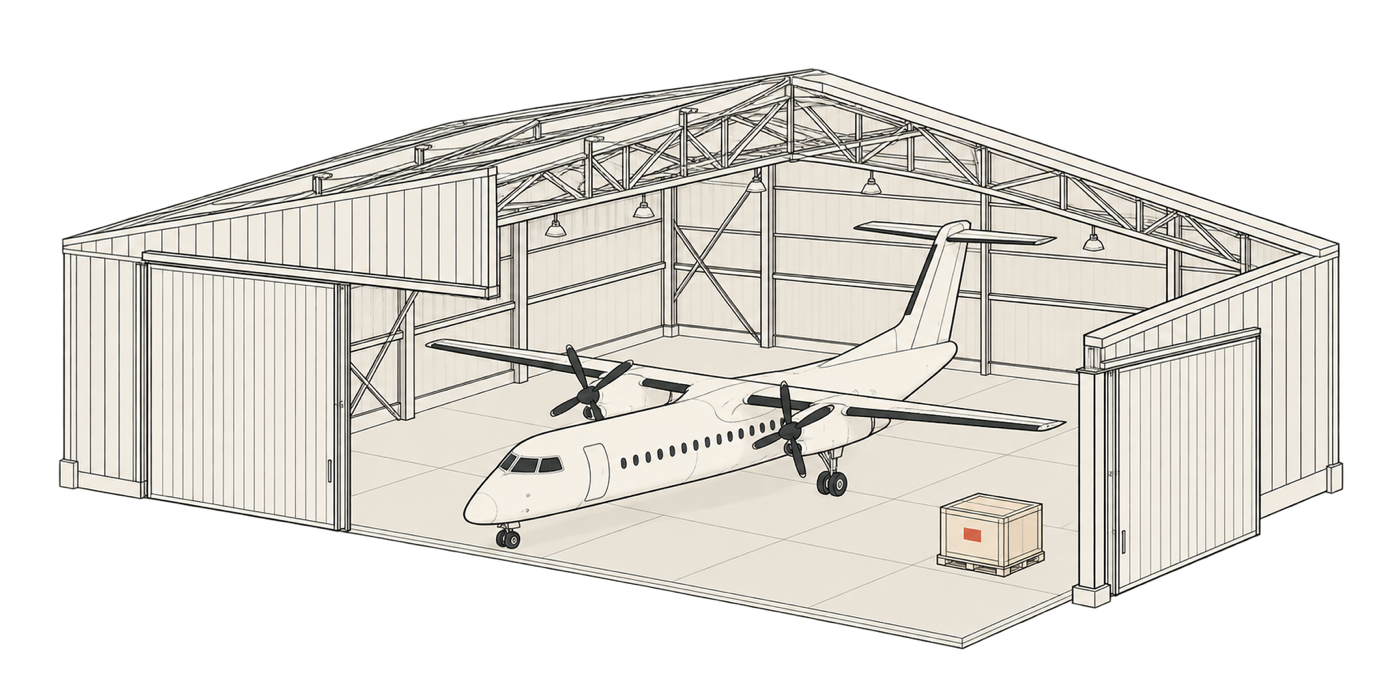
CA$7,532 for a loan unit delivered Saturday, against CA$510,870 to ground the aircraft at expiry. The purchase order went out after one approval
This deferral, priced across 2,000 runsOpen the simulatorWhat a year on the platform looks like
We modelled Markham's first year from the sample's patterns. These are projections on synthetic data, not results from a real airline
What Markham can do with the platform
Each of these runs in the platform service today on the sample's data, and is checked on every build
About this sample Markham Aviation is a fictional airline. It has no connection to the City of Markham, Ontario or its airport. Registrations, people, vendors, part numbers and directive numbers are made up. Figures labelled sample data come from the platform running on synthetic data; figures labelled modelled are projections, including all four figures under results. Neither is a result from a real customer